
Types of Rendering: Cement, Acrylic, Monocouche, Lime & Silicon Explained
Updated: Sep 25, 2025
Introduction
Not all renders are created equal. From traditional cement render to modern acrylic and monocouche systems, the type of render you choose will determine how your home looks, performs, and ages over time.

Choosing the best render for external walls can be overwhelming, there are multiple options, each with unique benefits.
In this article, we’ll break down the most popular types of rendering used in the UK, their benefits, and which one might be right for your property.
1. Cement Render
What It Is:
Cement rendering is the traditional choice, made from a mix of cement, sand, and lime. It’s applied in multiple coats, can be painted or left as-is, and can be finished smooth or textured.
Pros:
Strong and durable
Cost-effective compared to other options
Versatile with different finishes
Works well on brick and block walls.
Cons:
Can be prone to cracking if not maintained
Requires painting for colour (unless additives are used)
Less flexible compared to modern renders
Best For: Homeowners looking for a budget-friendly, traditional render finish.
Render Finishes: Smooth, textured, or scraped
See our recent rendering projects.
2. Acrylic Render
What It Is:
Acrylic rendering is a modern alternative that uses acrylic resin, contains polymers for added elasticity, reducing cracks. It’s lightweight, flexible, and comes pre-mixed in a wide variety of colours eliminating the need for painting.
Pros:
Highly flexible (resists cracking)
Available in many colours (no painting needed)
Quick to apply and dry
Cons:
Less breathable than lime or cement render
Not always the best option for older buildings
More expensive than cement
Best For: Modern homes or extensions that need a smooth, coloured finish and flexibility.
Render Finishes: Fine, coarse, or patterned.
3. Monocouche Render
What It Is:
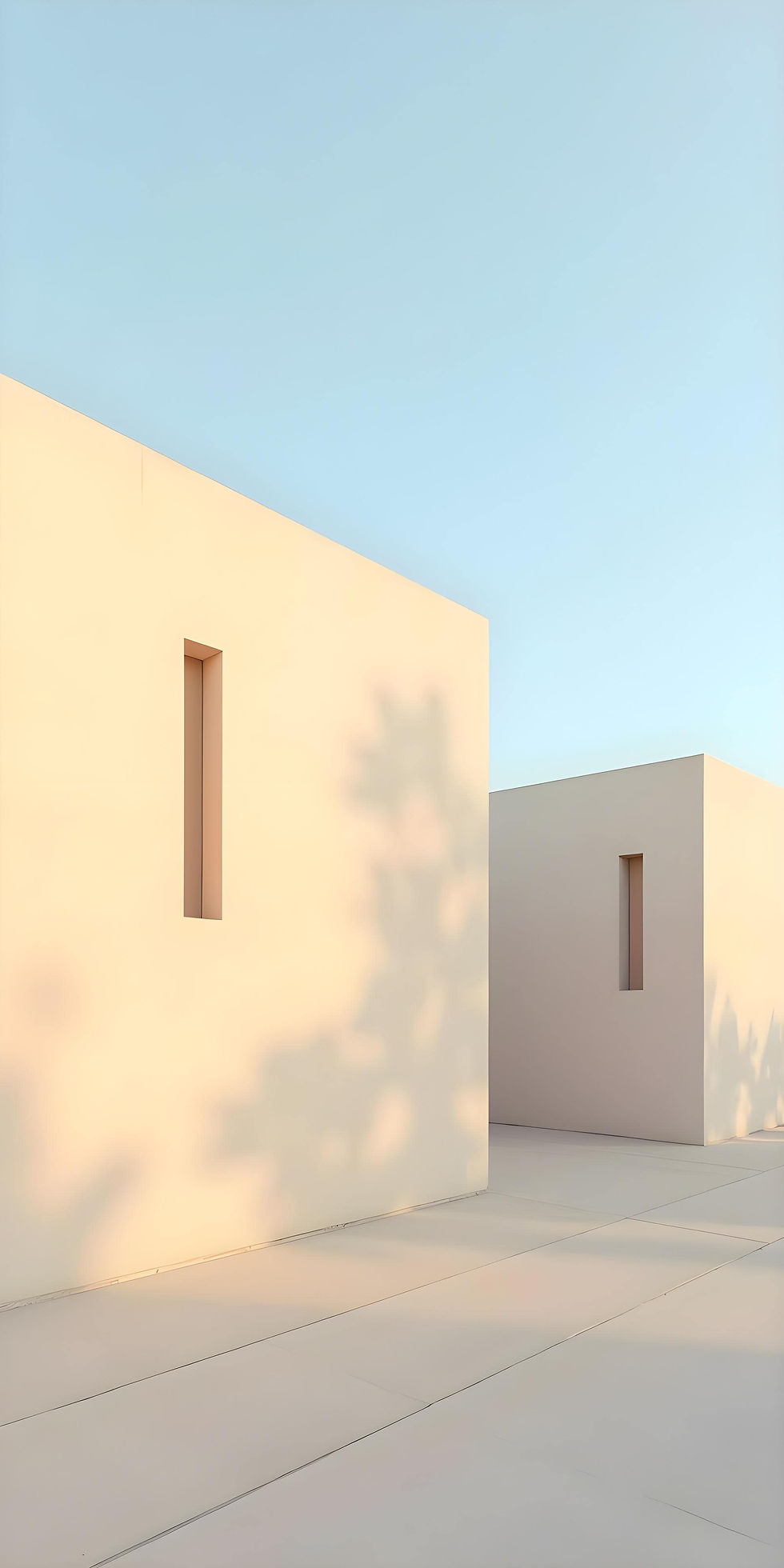
“Monocouche” means single coat in French, a pre-mixed colored render. Unlike traditional renders, monocouche is applied in just one thick coat, making it faster and more efficient. It’s popular for its efficiency and modern look.
Pros:
Only requires one coat → quicker installation, time saving
Pre-coloured (no painting needed)
Durable and long-lasting, whether resistant
Provides a modern, clean finish
Cons:
Higher upfront cost than cement render
Limited colour changes once applied
Requires professional application
Best For: Homeowners who want a modern, low-maintenance solution with excellent durability.
Render Finishes: Smooth or lightly textured.
4. Lime Render
What It Is:
Lime render is one of the oldest types of rendering, a natural, eco-friendly option, ideal for older homes with solid walls. It allows moisture to escape, preventing dampness, and is made from natural lime & sand. It’s breathable, flexible, and perfect for period properties.
Pros:
Excellent breathability (prevents trapped moisture)
Eco-friendly and natural
Flexible (less likely to crack)
Sustainable and traditional
Cons:
Requires skilled application\
Higher cost compared to cement render
Best For: Traditional and listed properties where breathability is essential.
Render Finishes: Rough, rustic, or smooth.
5. Silicone Render
What It Is: Silicone render is a modern, premium type of render designed for long-lasting protection and aesthetics. It contains silicone additives that make it highly water-repellent while still allowing the walls to breathe. This render is very low-maintenance, self-cleaning, and resistant to algae, dirt, and cracking—making it a popular choice for contemporary homes.
Pros:
Highly water-resistant and weatherproof
Self-cleaning properties (dirt washes away with rain)
Excellent flexibility (resists cracking)
Long lifespan and low maintenance
Breathable despite being water-repellent
Cons:
More expensive than traditional renders
Limited suitability for very old, solid-walled properties
Best For: Modern homes and renovations where durability, minimal upkeep, and a sleek finish are key.
Render Finishes: Smooth, textured, or coloured.
Choosing the Right Render for Your Home
The best render depends on your property type, budget, and the finish you want:
Budget-friendly + traditional: Cement render
Modern + colourful finish: Acrylic render
Fast + low-maintenance: Monocouche render
Eco-friendly + period homes: Lime render
At Sovereign Surfaces Plastering, we assess your walls and recommend the right render for your specific needs.
Which is the Best Render for External Walls?
Render Type | Best For | Durability | Cost |
Cement | Budget-friendly projects | High | ££ |
Acrylic | Modern homes, crack resistance | High | £££ |
Monocouche | Quick, low-maintenance finish | Very High | £££ |
Lime | Old buildings, breathability | Medium | £££ |
Silicon | Modern homes, low maintenance, water resistance | Very High | £££ |
Please note its just an estimate, rendering cost can be varied according to property lengths or situation. The best render for your home depends on your budget, climate, and desired finish. Cement is great for affordability, acrylic for flexibility, monocouche for convenience, and lime for breathability.
Need help choosing? Consult a professional to find the perfect render for your property.
If you’re looking to protect and modernise your property in South London, Bromley, Dartford, or Kent, our team at Sovereign Surfaces Plastering is here to help.
Conclusion
Whether you want the timeless strength of cement, the flexibility of acrylic, the efficiency of monocouche, or the eco-friendliness of lime, there’s a render option to suit every home.
Ready to transform your property with expert rendering services in Bromley, South London, Dartford, or Kent?
Contact Sovereign Surfaces Plastering today for a free consultation and quote.
FAQs About Render Types
1. What’s the cheapest type of rendering?
Cement render is the most budget-friendly.
2. Which render is best for insulation?
Acrylic and monocouche provide better thermal performance.
3. Can I render my house myself?
Some DIY-friendly options exist, but a professional application ensures longevity.
4. Does rendering improve energy efficiency?
Yes, especially with insulated render systems.
5. How do I maintain rendered walls?
Clean periodically and check for cracks or damp patches.


